Categories
Blog

What Are the Common Problems with Dog Daycare in Marysville, WA?

What Are the Common Problems with Dog Daycare in Marysville, WA?

Thinking about dog daycare in Marysville, WA? It sounds simple: drop off your pup, pick them up happy. But not every daycare delivers the kind of care your dog deserves. There’s a lot of trust involved when you leave your dog in someone else’s hands. And while daycare can offer exercise, social time, and fun, it can also come with challenges if the environment isn’t right.

So what are the most common problems with dog daycare in Marysville, WA, and how can you avoid them? Let’s break down what to watch for so you can make the safest choice for your four-legged friend.

Why Some Dogs Thrive in Daycare

Not every daycare is created equal. While many are run by caring people, problems can still come up. Some are caused by poor facility design, others by inexperience or lack of structure. It’s important to know what to watch for.

Here are some of the most common issues:

1. Overcrowding

Too many dogs in one space can cause stress, fights, or injuries. The ideal dog-to-staff ratio is about 10:1 or better. When one person is managing 15 or 20 dogs, they can’t properly watch for body language, tension, or safety issues. Overcrowded groups also make it hard for shy or anxious dogs to find calm.

2. Lack of Supervision

Dogs should never be left alone in groups. A trained human should always be nearby, ready to step in if needed. In some low-cost daycares, dogs are grouped and then left unsupervised for long stretches. This puts all the dogs at risk for injury or anxiety. Proper supervision helps prevent rough play from turning into fights.

3. Mismatched Playgroups

Dogs need to be matched by energy level, age, and play style. A calm older dog shouldn’t be in the same group as a rowdy group of high-energy puppies. Poor groupings can cause fear, injuries, or social stress. When a daycare doesn’t take time to evaluate personalities, dogs can become overwhelmed, or worse, traumatized.

4. Unclean Facilities

Hygiene matters. If a daycare smells bad, has dirty floors, or isn’t cleaning up waste quickly, it could put your dog at risk for illness. Viruses like kennel cough or parasites like giardia spread fast in unsanitary environments. According to the CDC, close contact among dogs increases the chance of disease transmission.

5. Lack of Outdoor Time

Some daycares keep dogs indoors all day, with little to no access to fresh air, sunshine, or space to run. Dogs need daily exercise and mental stimulation to stay balanced and healthy. Being cooped up for hours can lead to pent-up energy, frustration, and behavior problems later.

6. No Clear Routine

Dogs thrive on structure. When a daycare has no clear schedule for play, rest, and meals, dogs can become anxious, overstimulated, or overtired. A healthy rhythm is key to a safe and enriching day. Without rest breaks, even the most playful dog can become snappy or irritable.

7. Inexperienced Staff

Staff should know more than how to feed and clean. A good daycare team is trained in dog behavior, communication, and group dynamics. They know the difference between healthy play and rising tension. If the staff doesn’t know how to break up a fight or recognize fear signals, dogs may suffer.

8. One-Size-Fits-All Approach

Every dog is different. Some like constant activity. Others need space and quiet. A daycare that doesn’t offer options for different personalities can accidentally stress some dogs. Look for places that provide flexibility, like calm areas, outdoor time, and individualized attention.

Why Does My Dog Act Different After Daycare?

If you’ve noticed changes in your dog’s behavior after daycare, it may be a sign that something’s off.
Watch for:

  • Excessive sleep or exhaustion
  • Fearfulness or hiding
  • New signs of aggression
  • Resistance to going back

These could mean your dog had a negative experience, like overstimulation, bullying, or lack of rest. Dogs can’t speak, but their behavior can tell you what words can’t.

According to veterinary and animal behavior experts, changes in your dog’s normal behavior can be a sign of stress or anxiety, and should not be ignored. Also, keep an eye on appetite and bathroom habits. Sudden digestive changes may point to anxiety or exposure to unclean conditions.

What Safe, Responsible Daycare Looks Like

A well-run daycare will:

  • Require proof of vaccinations (rabies, distemper, parvo)
  • Conduct meet-and-greets before accepting a dog
  • Keep groups small and well-matched
  • Have trained staff present at all times
  • Offer breaks and quiet time between play sessions
  • Provide clean water, shaded rest spots, and access to the outdoors
  • Maintain clean facilities with regular sanitation
  • Communicate openly with pet parents

A responsible daycare should feel calm, not chaotic. The dogs should seem relaxed and engaged, not anxious or overly wound up.

Local Concerns in Marysville, WA

In areas like Marysville, WA, where outdoor space varies, it’s especially important to check what kind of setting your dog will experience. Will they get to explore, or are they limited to indoor playrooms? Can they stretch their legs or just pace in a small yard?

Rain or shine, dogs should have access to a space where they can move freely, with trained supervision and a focus on their well-being, not just containment. Local weather also plays a role. Marysville, WA, sees an average of 165 rainy days per year. That means dogs need shelter options and proper drainage systems to stay safe and dry while still getting fresh air.

Questions to Ask Before Choosing a Daycare

Don’t be afraid to ask questions. The best daycares will welcome them.

  • How many dogs do you care for daily?
  • How are playgroups divided?
  • What is your dog-to-staff ratio?
  • What’s your daily routine like?
  • Do dogs get both playtime and rest?
  • What training do your staff receive?
  • Can I tour the facility?
  • Do you use crates or kennels? How and when?
  • How do you handle emergencies?
  • Are outdoor areas secured and fenced?

A good daycare will have clear answers, and their policies will be focused on safety, enrichment, and care.

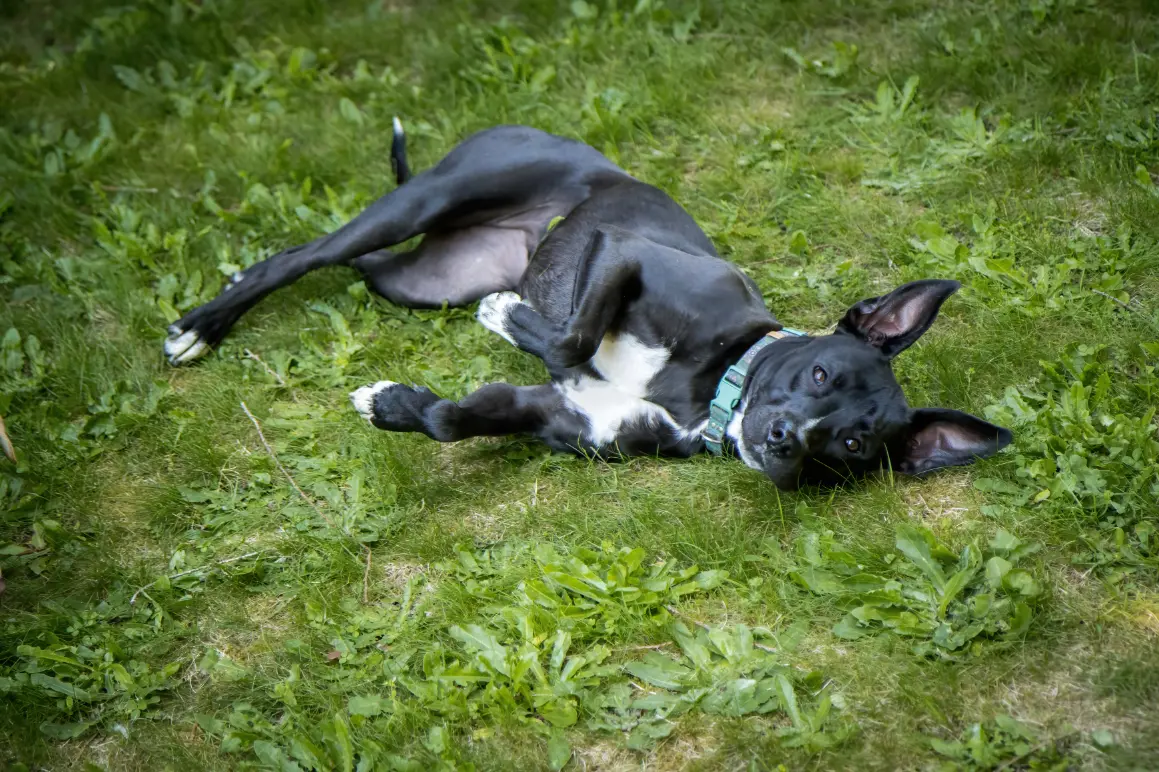
Dog Playing on a Mud Puddle

When Your Dog’s Day Should Feel Like Play

So, what are the common problems with dog daycare in Marysville, WA? Many come from poor supervision, lack of structure, or overcrowding. But with the right questions and a careful eye, you can find a daycare that feels like a second home for your pup.

At Doggy Woods Retreat, we believe in pack harmony, wide open play spaces, and routines that make dogs feel safe and loved. Our YouTube channel shows the real day-to-day experiences of our guests, so you can see what a truly happy dog day looks like.

Want to give your dog the right kind of daycare in Marysville, WA? Watch how we do it on our YouTube channel, and explore the joy that comes from a life of sniffing trails, splashing in ponds, and resting where they feel at home.

FAQs: What Are the Common Problems with Dog Daycare in Marysville, WA?

1. What should I look for when touring a dog daycare?

Cleanliness, calm energy, trained staff, and happy, relaxed dogs. Avoid daycares that smell strongly of waste, have chaotic groups, or refuse to give a tour.
It depends on staff size. Ideally, there should be no more than 10 dogs per staff member. Fewer is even better.
Yes, if they’re overwhelmed or poorly matched in playgroups. Always monitor your dog’s behavior for any changes.
Yes. Facilities must be licensed by the state and meet health and safety standards.
Mild fatigue is normal, but extreme exhaustion can mean they didn’t get enough rest or were overstimulated.
Yes. Many responsible daycares offer video tours or real-time footage. Some even have YouTube channels to show daily life and pack energy.
Categories
Blog

Is It Good for My Dog to Go to Daycare in Marysville, WA?

Is It Good for My Dog to Go to Daycare in Marysville, WA?

If you’re wondering if it’s good for your dog to go to daycare in Marysville, WA, you’re not alone. Many dog owners want the best for their pets, but aren’t sure if daycare is the right choice. Here’s the truth: daycare can be one of the best ways to support your dog’s happiness and health, if it’s the right fit.

Let’s explore what that really means for you and your furry friend.

Why Some Dogs Thrive in Daycare

Dogs are social animals. In the wild, they live in packs. In our homes, they look to us for companionship. But when we’re away for work or errands, they can get bored or anxious.

Here’s what your dog may gain from the right daycare environment:

  • Socialization with other dogs and people
  • Mental stimulation from play and routine
  • Physical exercise in a safe, supervised space
  • Relief from loneliness or boredom at home
  • Confidence-building for shy or younger dogs.

According to the ASPCA, dogs who lack stimulation and exercise may develop unwanted behaviors like chewing, barking, or digging. Structured play and rest at daycare can prevent those issues before they start.

What a Good Daycare Should Offer

Not all dog daycares are the same. A positive daycare experience comes down to how your dog is treated and what kind of space they get to enjoy.

Look for a facility that provides:

  • A safe and secure play area
  • A low dog-to-staff ratio
  • Time for rest and quiet
  • Clean and healthy surroundings
  • Staff trained in dog behavior and safety.

The best environments give dogs space to roam outdoors, like fully fenced acres with forest trails, grassy fields, or even sand piles and ponds. Inside, dogs should have cozy places to relax, like couches, dog beds, or open spaces that feel like home.

Rather than being confined to small kennels, dogs should be able to explore, socialize, and relax throughout the day. A well-balanced routine should offer adventure, relaxation, and exercise every day for your best furry friends.

How Can Daycare Help Dogs with Separation Anxiety?

If your dog struggles when you’re gone, daycare may be a lifeline. Some dogs show signs of separation anxiety, such as:

  • Pacing or drooling
  • Barking or whining
  • Destructive chewing
  • House soiling

Instead of staying alone all day, a dog with separation anxiety may benefit from being around a caring human and other pups. They’ll stay busy, loved, and distracted. In fact, the American Kennel Club says regular activity and companionship are two of the best ways to ease separation-related behaviors.

Over time, with the right environment and support, many dogs grow more confident. Daycare offers a reliable routine that helps your dog know what to expect and that you always come back.

What Dogs Are (and Aren’t) a Good Fit?

Dog daycare isn’t for every pup. Here’s a quick guide to help you decide:

A Good Fit for Daycare:

  • Friendly with other dogs and people
  • Fully vaccinated
  • Enjoys new experiences
  • Has extra energy to burn
  • Comfortable being away from home

Not Ideal for Daycare (without prep):

  • Aggressive or fearful dogs
  • Dogs with serious medical issues
  • Senior dogs who need more rest
  • Dogs who get overwhelmed in groups

The best daycares will meet your dog first to make sure it’s a good match.

holiday boarding

Real Benefits from a Local Daycare in Marysville, WA

Having a trusted local option is key. When your dog goes to daycare nearby, you get:


  • Less stress with easy drop-offs and pick-ups
  • Confidence in knowing the facility
  • Opportunities for in-person tours
  • Support if anything happens while you’re nearby

Choosing a local daycare means more than just convenience. It gives you peace of mind knowing your dog is close to home, cared for by a team you can meet in person, and in a space you can see for yourself. That local connection helps build trust and makes daily routines easier for both you and your dog.

doggy woods dog daycare

What a Great Daycare Should Feel Like

In many daycares, dogs spend most of their time indoors in kennels with short play breaks. But a truly enriching daycare offers much more. Imagine a place where dogs can:

  • Explore wide open spaces with trees, fields, and trails
  • Splash in ponds or dig in sand piles
  • Rest on soft furniture, not just kennel floors
  • Move freely in a safe, supervised pack
  • Be treated like part of the family, not just a guest

In the best settings, dogs don’t just pass the time. They thrive. Each day is a chance to play, sniff, rest, and feel at home surrounded by calm energy, natural rhythms, and people who understand what dogs really need.

Local Laws and Safety in Marysville, WA

In Washington State, all dog daycare and boarding facilities must be licensed and meet specific care standards. That includes maintaining clean spaces, safe play areas, and trained staff who know how to handle dogs responsibly.
Dogs must also be current on core vaccinations, including rabies, distemper, and parvovirus. A good daycare will clearly explain their vaccination policies, safety procedures, and how they handle emergencies, so you can feel confident leaving your dog in their care.

More Than Daycare. It’s a Retreat.

So, is it good for your dog to go to daycare in Marysville, WA? If your dog enjoys play, companionship, and exercise, then yes, it can be one of the best things you do for their health and happiness.

At Doggy Woods Retreat, we treat every dog like part of our own pack. You can even see for yourself! Check out our YouTube Channel, where we post videos of our daycare in action. It’s a great way to learn about our routines, our philosophy, and the joy your dog can experience here.

FAQs: Is It Good for My Dog to Go to Daycare in Marysville, WA?

1. How do I know if my dog is ready for daycare?

If your dog enjoys play and can be calm around other dogs, daycare may be a great fit. Start with a short visit or trial day to see how they respond.

Slow introductions and smaller groups can help. Doggy Woods Retreat keeps groups manageable and focuses on harmony and safety.
Yes, as long as the facility follows state laws, keeps dogs up to date on shots, and has proper supervision. Always tour a daycare before signing up.
Some dogs do best with 1–2 days a week, while others may thrive with daily visits. It depends on your schedule and your dog’s needs.
Prices vary, but expect quality care to cost a bit more. You’re paying for safety, enrichment, and hands-on attention, not just a kennel.
Yes! Our YouTube channel shows real clips of dogs playing, resting, and exploring so you can see exactly what daycare looks like at Doggy Woods Retreat.
Categories
Blog

How to Prepare My Dog for Dog Daycare in Marysville, WA

Dropping your dog off at daycare for the first time can feel a lot like sending a kid to school. You hope they’ll make friends, stay safe, and come home happy and tired. But just like kids, dogs need a little preparation before diving into a new environment.

Whether your dog is shy, excited, or somewhere in between, a little planning can go a long way in helping them adjust. How to prepare my dog for dog daycare in Marysville, WA, starts right at home, with small steps that build comfort and confidence. From what to pack to how to ease them in, here’s how to make the transition smooth and stress-free.

Why Preparation Matters Before Daycare

A well-prepared dog is more likely to feel at ease, settle in quickly, and enjoy their time at daycare. This helps prevent stress, fear, or behavior problems.

The American Kennel Club recommends easing dogs into social environments to help prevent anxiety, stress, and overstimulation. That means doing some work ahead of time to make sure your dog is ready to succeed.

Dogs thrive on routine and clear expectations. If you help your dog adjust before their first visit, you’re setting them up for a positive daycare experience.

What to Know Before the First Day

Before you even schedule your first daycare session, there are a few things to have ready.

Check Vaccination and Health Requirements

Most dog daycares in Marysville, WA, require:

  • Rabies
  • Bordetella (kennel cough)
  • DHPP (distemper, parvo, etc.)
  • Flea and tick prevention

Some may also require the canine flu vaccine. Have records ready and ask your vet if your dog is up to date.

Make Sure Your Dog is Socialized

Your dog should already have some experience being around other dogs and people. This helps avoid fear-based behavior when they enter a group setting.

Ways to socialize before daycare:

  • Take walks in dog-friendly areas
  • Schedule playdates with other friendly dogs
  • Visit pet-friendly stores or events

Know Your Dog’s Limits

Not all dogs enjoy daycare, and that’s okay. Some dogs prefer solo care or slower-paced days. You know your dog best. Watch their behavior to decide if daycare is a good fit.

5 Steps to Prepare Your Dog for Daycare in Marysville, WA

Follow these steps to help your dog feel confident and ready.

1. Start with a Meet and Greet

Schedule a visit or assessment day before booking a full stay. Let your dog explore the space, sniff around, and meet the staff.

This lowers stress and gives the caregivers a chance to understand your dog’s behavior and needs.

2. Practice Short Separations

If your dog is not used to being away from you, start small. Try leaving them with a trusted friend or sitter for short periods of time.

Build up the time slowly so your dog learns that you always come back.

3. Bring Familiar Items

Send your dog with something that smells like home. This could be:

  • A favorite toy
  • A blanket
  • A t-shirt with your scent

These familiar items can help your dog relax in a new setting.

4. Stick to a Routine

Dogs feel safest when they know what to expect. Try to feed your dog, walk them, and take them out at the same times each day, leading up to daycare.

If your daycare has set drop-off hours, start adjusting your schedule in advance.

5. Stay Calm at Drop-Off

Dogs read our energy. If you are nervous, they will be too. Stay calm, confident, and relaxed when you leave.

Say a simple goodbye and avoid lingering. Quick, calm exits help your dog adjust faster.

A brown dog curled up and resting on a fluffy beige rug in a cozy stone-walled living room with a wood stove in the background.

What Should I Pack for Dog Daycare?

Before heading out the door, pack a small bag with your dog’s essentials.

Here’s what most daycares ask you to bring:

  • Your dog’s regular food (clearly labeled)
  • Any medications with instructions
  • Vaccination records
  • Emergency contact info
  • Leash and collar with ID tags
  • Comfort item (optional)

Ask the daycare if they provide bowls, beds, or treats. Some prefer you not bring extra items unless necessary.

The Calming Effect of Videos for Dogs in Marysville, WA

How Do I Make Dog Daycare Easier For My Anxious Dog?

Some dogs take longer to adjust. Here are a few tips for anxious pups:

  • Start with half days or trial visits
  • Use calming treats or vet-approved supplements
  • Avoid overstimulation before daycare days
  • Give them time to rest afterward
  • Stay consistent with the schedule

Every dog is different. Some may need a few visits before they feel fully comfortable.

Local Laws and Best Practices in Marysville, WA

In Washington State, there are no statewide rules for dog daycare facilities, but any place that boards or houses animals must follow basic care laws under RCW 16.52, which protects animals from cruelty or neglect.

Locally, reputable facilities follow best practices like:

  • Daily cleaning and sanitation
  • Trained staff on-site during all play hours
  • Emergency plans in place
  • Vaccination checks for all guests

As a pet parent, you have the right to ask about these policies.

How to Prepare My Dog for Dog Daycare in Marysville, WA

Helping your dog get ready for daycare is one of the best things you can do for their health, happiness, and confidence. From packing the right items to practicing short separations, your preparation will make a big difference.

When you take the time to ease your dog into this new experience, they’ll be more likely to enjoy their day, bond with other dogs, and return home relaxed and fulfilled. Want to see what safe, enriching daycare really looks like? Head over to the Doggy Woods Retreat YouTube channel. Our videos give you a real-life look at daily dog adventures, playgroups, rest time, and nature walks in our fenced 10-acre retreat. 

It’s a great way to explore what a positive daycare experience can be, and a fun way to get to know the pack.

6 FAQs About Preparing for Dog Daycare in Marysville, WA

1. What age should my dog be before starting daycare?

Most daycares accept dogs over 4 months old who are fully vaccinated. Some may have a minimum age of 6 months for group play.

Your dog should be able to stay calm when left alone, play well with others, and follow basic commands. If your dog gets overwhelmed easily, talk with the daycare about slow introductions.

Yes, with preparation. Start with short separations, and help your dog build trust with other people and places. Dogs are very adaptable when they feel safe.

Some daycares provide video updates or live feeds. Others share pictures or notes. Ask the staff how they keep you informed and what to expect from your dog’s first few visits.

Give them time to rest. Daycare can be exciting and tiring. Offer water, a quiet space, and stick to your normal evening routine.

Visit the Doggy Woods Retreat YouTube channel to see real-life videos of dogs enjoying safe, structured play on 10 acres of fenced land in Marysville, WA. These videos show how dogs can thrive with the right mix of exercise, rest, and care.

Categories
Blog

What Are The Safety Precautions At Dog Daycare in Marysville, WA?

What Are The Safety Precautions At Dog Daycare in Marysville, WA?

If you’ve ever wondered what the safety precautions at a dog daycare in Marysville, WA, are, you are not alone. More dog owners are using daycare services than ever before, and safety is their top concern.

Dog daycare safety in Marysville, WA, should never be an afterthought. Your dog is a beloved member of your family, and they deserve to be cared for in an environment that feels just as safe as home.

Why Safety Is So Important for Dog Daycare

Leaving your dog with someone else, even for a day, can be tough. You want your dog to be happy, exercised, and looked after properly while you are away. But not all daycares offer the same level of care or structure.

The American Veterinary Medical Association reports that over 45% of households in the U.S. have at least one dog. As more families use dog daycare, it becomes more important to ask the right safety questions before choosing a facility.

A good daycare doesn’t just watch dogs. It creates a safe and peaceful environment where they can play, explore, rest, and socialize under supervision.

Key Safety Precautions Every Dog Daycare Should Follow

If you are touring a dog daycare, use this checklist to help you make the right decision.

1. Secure Fencing and Gates

The outdoor play area should have strong fencing that is high enough to prevent jumping and deep enough to prevent digging out. Gates should latch firmly and stay closed at all times.

Check for things like:

  • Gaps or weak spots in the fence
  • Loose or broken latches
  • Unattended gates

Outdoor space is great, but it must be safe before dogs are allowed to run free.

2. Supervised Play at All Times

Dogs should never be left alone in a play group. A trained person should always be present to guide behavior, break up rough play, and keep a calm group energy.

Watch to see if the staff is:

  • In the same space as the dogs
  • Focused and alert
  • Able to identify body language signals

Lack of supervision is one of the biggest red flags when it comes to daycare safety.

3. Small Group Sizes

Daycares that pack too many dogs into one area are more likely to have injuries or behavior problems. There should be a clear limit on how many dogs are allowed per staff member.

The ideal ratio is around:

  • 1 person for every 10 to 15 dogs in calm, well-managed groups
  • Fewer dogs if there are a lot of high-energy or new dogs

Some facilities also separate dogs by size or play style, which can reduce the risk of injury.

4. Health and Vaccination Rules

All dogs at the daycare should be fully vaccinated. The most common required vaccines include:

  • Rabies
  • Bordetella (kennel cough)
  • DHPP (distemper, hepatitis, parainfluenza, and parvo)

Some daycares also require the canine flu vaccine or flea and tick protection. These rules are not just for paperwork. They protect your dog from serious illness.

5. Emergency Preparedness

Accidents happen, even in the best environments. A safe daycare has a clear plan in place if a dog gets hurt or sick.

Ask the daycare:

  • Are staff trained in pet first aid?
  • Is there a vet they call for emergencies?
  • Do they contact the owner right away?

You should also provide your own emergency contacts and detailed instructions about your dog’s medical needs.

6. Safe Feeding and Sleeping Areas

Dogs should be fed separately and have a safe space to rest. Mealtimes are one of the most common times for aggression, so dogs should not eat in the same room unless fully supervised.

Ask about:

  • Where the dogs nap or sleep
  • If crates are used, and how often
  • How dogs are fed and spaced out

Even if dogs are social and friendly, they need quiet time and their own space to relax.

7. Cleanliness and Sanitation

Dog daycares should be cleaned daily. Water bowls, toys, and bedding should be washed regularly. Floors should be mopped with pet-safe disinfectants.

Check for:

  • Strong smells of waste or chemicals
  • Dirty or damp sleeping areas
  • Overflowing trash cans or hair buildup

Clean spaces are not just more pleasant, they are also less likely to spread illness.

What Does a Safe Daycare Day Look Like?

A well-run daycare will have a rhythm that includes play, breaks, food, and calm time.

A safe dog daycare routine might include:

  • Morning group play or structured walks
  • Short rest time indoors
  • More play or enrichment activities, like sniff games
  • Lunch or individual feeding if needed
  • Afternoon rest
  • One more short play session or potty walk before pickup

This kind of routine helps dogs avoid becoming overstimulated, which is often when accidents happen.

Overcome Dog Separation Anxiety

How to Tell If a Daycare Is Right for Your Dog

Not every dog loves daycare, and that’s okay. Some dogs need more structure, more breaks, or even one-on-one care.

Here are a few signs the daycare is a good fit:

  • Your dog is excited to go in and comes home tired but happy
  • Staff know your dog by name and understand their needs
  • The facility feels calm, not chaotic
  • You get updates or videos of how your dog is doing

Always trust your gut. If something feels off, it probably is.

Sad-Dog-on-the -Ground

Choosing Safe Dog Daycare in Marysville, WA

So, is dog daycare safe? It can be, as long as you choose a facility that puts safety first. Ask questions, tour the grounds, and get a feel for how the dogs are treated. Dog daycare should not just be a place where your pet is dropped off and left in a room. It should be a place where your dog gets to explore, rest, and feel loved.

If you want a behind-the-scenes look at what safe and enriching daycare can really look like, check out the Doggy Woods Retreat YouTube channel. Our videos show real-life pack walks, playtime, and peaceful rest, all on our fully fenced 10-acre property in Marysville, WA. It’s not just for fun; it’s a window into how dogs can thrive in the right environment. Watch how we put safety, harmony, and joy into every day.

Common Questions About Dog Daycare Safety in Marysville, WA

1. What kind of training should daycare staff have?

Staff should have experience working with groups of dogs and knowledge of dog behavior. It helps if they have been trained in pet first aid or canine CPR.

Yes, as long as the area is fenced and staff are supervising. Off-leash play gives dogs the freedom to run and play naturally, which is great for both physical and mental health.

Any place with a group of animals carries some risk, but a good daycare minimizes that risk with cleaning routines and vaccine rules. Always ask about their health protocols.

Bring food, medication if needed, and any comfort items like a favorite toy or blanket. Label everything clearly and let the staff know about your dog’s routines or quirks.

Start with short visits or trial days. Make sure your dog is up to date on vaccines and has some basic training skills like recall and polite play.

Dogs are cared for in a home-style setting, with supervised off-leash play on a fully fenced 10-acre property. The group is kept small, and dogs are given daily exercise, structure, and rest.

Categories
Blog

Dog TV & More: Fun Indoor Activities Beyond the Walk in Marysville, WA

Dog TV & More: Fun Indoor Activities Beyond the Walk in Marysville, WA

When the weather turns wet and chilly, as it often does in the Pacific Northwest, finding ways to keep your dog active indoors becomes essential. Fun indoor activities like Dog TV, interactive games, and short training sessions are helping pups in Marysville, WA, stay calm, engaged, and happy even when outdoor adventures aren’t in the cards.

Whether it’s pouring outside or your schedule’s packed with work, errands, or family obligations, your dog still craves more than just a quick trip outside. Dogs thrive on consistency, stimulation, and connection, and that doesn’t stop when the skies are grey. From sensory games to calming dog TV, calming videos bring the fun inside while supporting your dog’s physical and emotional well-being.

Why Dogs Need More Than Just Walks

Walks are a great way to keep your dog physically active and connected to the world around them, but they aren’t always enough, especially on days when going outside isn’t an option. Dogs need more than just movement; they need mental challenges, emotional balance, and variety in their routine to stay truly healthy and happy.

According to the American Veterinary Medical Association, mental stimulation is just as vital as physical exercise. Without it, dogs may become bored, anxious, or even destructive. Indoors, this can look like barking at every sound, chewing on furniture, or pacing the house. By adding simple enrichment activities to your dog’s day, you help meet their full range of needs, not just their need to walk.

How to Tell If Your Dog Needs More Indoor Stimulation

Not sure if your dog is getting enough activity when stuck inside? There are subtle (and not-so-subtle) signs that they might need more mental or physical stimulation. Watch for these common behaviors:

  • Pacing or restlessness: If your dog can’t seem to settle down, they may be craving engagement.
  • Chewing or digging: Destructive behavior indoors often stems from boredom or frustration.
  • Barking at every noise: Extra alertness could be a sign of pent-up energy or lack of distraction.
  • Clinginess or whining: Dogs who are used to more activity may become overly dependent or vocal.
  • Sleeping too much: While rest is healthy, too much sleep during the day can signal under-stimulation.

If you notice any of these, it’s a good time to rotate in some new indoor activities (like puzzle toys, training games, or calming videos) to help your dog stay emotionally balanced and happy indoors.

What Are the Best Indoor Dog Activities Besides Walking?

Just because you’re stuck inside doesn’t mean your dog has to be bored. Indoor activities are a great way to help your dog burn off energy, challenge their brain, and feel fulfilled, especially on days when long walks or outdoor play just aren’t possible. 

From calming screen time to hands-on games, these ideas are simple to set up and deeply beneficial for your pup’s health and happiness.

1. Dog TV Time

Dog TV channels feature calming visuals like nature scenes, slow-moving animals, and soft sounds. They help reduce boredom and anxiety, especially for dogs left home alone or during noisy weather.

2. Snuffle Mats and Puzzle Toys

Hide treats or kibble in snuffle mats or puzzle feeders to spark your dog’s natural foraging instincts. It’s a great way to challenge their brain and keep them focused for longer stretches of time.

3. Indoor Fetch or Tug

Use a hallway or open space to play short games of fetch or tug-of-war. These fast-paced, interactive sessions are perfect for burning off energy in a small space.

4. Training Sessions

Practice simple commands or tricks in 5–10 minute intervals. Training gives your dog a sense of purpose and helps strengthen the bond between you while keeping their mind sharp.

5. Create an Indoor Obstacle Course

Use household items like pillows, stools, or blankets to build a mini agility course. Guide your dog through with treats for a mix of fun, focus, and movement.

Tired Dogs on The Couch

Local Tips for Marysville Dog Parents

In Marysville, WA, rain, wind, and chilly temps are all part of life, especially during the long winter and early spring months. For dog owners, that can mean fewer long walks, muddy paws, and less time outdoors overall. But that doesn’t mean your dog has to miss out on exercise or enrichment.

By incorporating indoor activities like dog TV, puzzle toys, or short training sessions, you’re helping your pup stay balanced even when the weather keeps you both inside. These activities not only fill in the gaps when outdoor play isn’t an option, but they also offer variety, something dogs truly thrive on.

Making the Most of Rainy Days in Marysville

Don’t forget to keep an eye on local opportunities too. Marysville Parks and Recreation often hosts dog-friendly events, pop-up agility courses, or seasonal outings where pups are welcome. Whether it’s an indoor pet expo, a dog-walk fundraiser, or a holiday photo event, these outings can add a little extra fun to your dog’s routine.

Pro Tip: Check out the Marysville Parks and Recreation site for dog-friendly indoor and outdoor events year-round.

Dog Playing on a Mud Puddle

Bringing the Outdoors In: One Calming Video at a Time

At Doggy Woods Retreat in Marysville, WA, we know that not every day is made for muddy paws and long trail walks. But that doesn’t mean your dog has to miss out on comfort, connection, or enrichment. That’s exactly why we created Doggy Woods Dog TV, our YouTube channel filled with calming, engaging, nature-inspired content made just for dogs by people who truly live with and love them.

Explore indoor enrichment with Dog TV & more in Marysville, WA; visit Doggy Woods Dog TV, and start your dog’s indoor adventure today!

FAQs: Dog TV in Marysville, WA

1. Is dog TV really helpful for dogs?

Yes. Dog TV can reduce stress, especially for dogs with separation anxiety or fear of loud noises.

Start with 30–60 minutes while you’re home and see how your dog reacts. Some dogs may enjoy it longer.

They help! While active dogs still need physical play, rotating indoor games and training adds mental stimulation.

Puzzle feeders, squeaky toys, snuffle mats, and treat-dispensing balls are top picks for Marysville dogs.

Yes. Puppies respond well to soft sounds and moving visuals. It helps them learn to settle and rest.

Watch our videos on Doggy Woods Dog TV on YouTube. They’re created by caregivers who live with and love dogs every day.

Categories
Blog

The Calming Effect of Videos for Dogs in Marysville, WA: Why They Work

The Calming Effect of Videos for Dogs in Marysville, WA: Why They Work

The calming effect of videos for dogs in Marysville, WA, is more than just a trend; it’s a real, science-backed way to ease your pup’s mind and help them feel safe, relaxed, and entertained when home alone.

If you’ve ever worried about your dog while you’re at work or running errands, you’re not alone. Many dogs in Marysville and across the country experience stress or boredom when left alone. But now, with calming videos made just for dogs, there’s a simple way to give them comfort and mental stimulation.

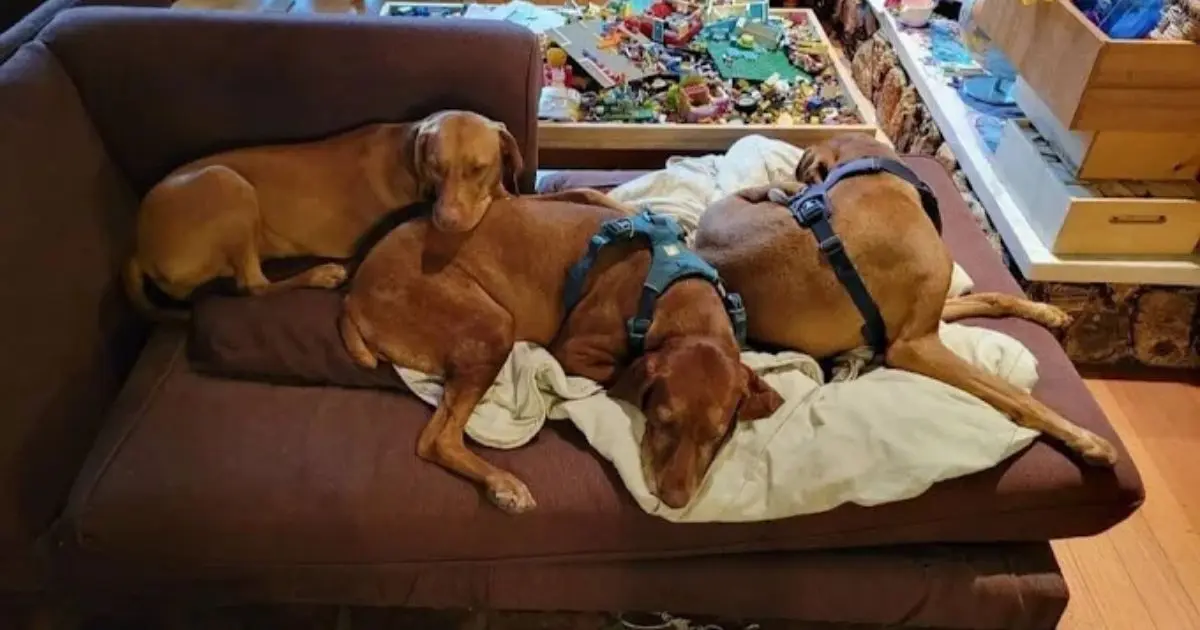
2 dogs relaxing on the couch

What Are Calming Videos for Dogs, and Do They Really Work?

Calming videos for dogs are created to appeal to your pet’s senses. They usually include nature sounds, slow-moving visuals, and sometimes dog-friendly music. These videos aren’t just background noise; they can help reduce anxiety, prevent destructive behavior, and support a calm state of mind.

Here’s why calming videos work for many dogs:

  • Visual and auditory engagement: Slow scenes of forests, streams, or fellow pups playing can keep dogs mentally stimulated.

  • Consistent background noise: Soft sounds like rustling leaves, birds, or waterfalls can mask outside noises that might trigger barking or fear.

  • Structured viewing time: Dogs thrive on routine. Watching the same videos at the same time daily can bring a sense of stability.

  • Simulates outdoor experiences: For dogs who love nature, videos with birds, squirrels, and moving water can mimic the sights and sounds of the outdoors, even when stuck inside.

  • Helps reduce separation anxiety: The familiar rhythm of calming videos can serve as a comforting routine when you’re not home.

  • Encourages self-soothing behavior: Dogs may start associating these videos with rest time, making it easier for them to wind down on their own.
             
  • Non-invasive enrichment: For older dogs or those with mobility issues, these videos offer mental stimulation without requiring physical exertion.

Great for multi-pet homes: When one dog is anxious, calming videos can help ease the tension for the whole pack.

What Types of Calming Videos Are Best for Dogs with Anxiety?

Not all videos are created equal. When choosing a calming video for your dog, look for:

  1. Nature scenes: Forests, fields, and beaches are soothing and often remind dogs of outdoor play.

  2. Slow pacing: Fast movement or loud noises can do more harm than good.

  3. Repetitive or gentle sounds: Avoid music that suddenly changes or scenes with jarring effects.

  4. Dog-friendly programming: Channels like Doggy Woods Dog TV on YouTube are designed by people who live with and care for dogs every day.

If your dog has anxiety, consider pairing videos with a structured routine, exercise, and comfort items like their favorite blanket or chew toy.

Benefits of Calming Videos for Dogs in Marysville, WA

Living in Marysville means we have access to beautiful outdoor spaces, but not every day is a hiking day. Calming videos can help when:

  • It’s too rainy or cold to go out
  • You’re gone for long work shifts
  • You want to introduce a calm time after play
  • Your dog has separation anxiety or a fear of loud noises

These videos help dogs carry the comfort of home wherever they go. Whether it’s a stormy afternoon, a busy workday, or just a quiet evening in, calming videos give your dog a sense of consistency and emotional security.

How to Introduce Calming Videos to Your Dog

How to Introduce Calming Videos to Your Dog

tart by playing calming videos during a quiet time of day, such as after a walk or a meal. Sit with your dog during the first few sessions to help them associate the sounds and visuals with relaxation. Keep the room calm, dim, and free from distractions. Add their favorite blanket or toy nearby to create a cozy space.

Use videos consistently during transition periods, like after playtime or when you’re preparing to leave. Watch how your dog responds; some may stare at the screen, others may just settle and snooze nearby. Either reaction means it’s working.

Marysville Pet Owners: Here’s Why You Should Try Calming Videos

Whether your pup is dealing with separation anxiety, recovering from a busy day of play, or simply needing a moment of peace during Washington’s rainiest days, calming videos offer a simple yet powerful way to support their emotional well-being. Just like regular exercise and a loving environment, mental enrichment plays a vital role in helping your dog feel secure and content.

At Doggy Woods Retreat, we’ve seen firsthand how the right sights and sounds can create a real sense of calm and connection for dogs of all ages and temperaments. That’s why we created Doggy Woods Dog TV, a YouTube channel filled with nature-based, dog-designed videos made by a team that lives with, trains, and truly understands dogs.

Each video is crafted with your dog’s relaxation in mind. Whether you’re stepping out for a few hours or winding down for the evening, give your pup a safe, soothing experience they’ll look forward to. Just press play.

FAQs: The Calming Effect of Videos for Dogs in Marysville, WA

1. Can videos really help reduce my dog's anxiety?

Yes. Calming videos created specifically for dogs have been shown to reduce signs of stress, including pacing, whining, barking, and restlessness. These videos use a combination of gentle visuals, steady pacing, and relaxing sounds to engage your dog’s senses in a non-stimulating way.

Not necessarily. While it’s tempting to leave videos playing all day, it’s best to use calming content in structured blocks, typically 30 to 90 minutes at a time. This helps prevent overstimulation and makes the videos more effective by maintaining their novelty and purpose.

High-energy breeds and dogs with strong prey drives often benefit the most from visual and sound engagement. However, even low-energy breeds and senior dogs can benefit from calming videos that support emotional stability and mental enrichment.

Absolutely. In fact, puppies may benefit the most. Early exposure to calming videos can help them get used to being alone, encourage healthy rest habits, and provide a gentle introduction to new sounds and visuals.

Look for videos specifically created with dogs in mind, not just nature footage or general background noise. Our YouTube channel, for example, is curated by real caregivers who live with and understand dogs. We design every episode to be dog-friendly in pacing, sound, and visual structure

Definitely, many pet care providers use calming videos during quiet time or transitions between activities. If your dog is staying at a boarding facility or spending the day in daycare, these videos can help them settle in more quickly, especially if they’re used to watching them at home.

Categories
Blog

10 Free Videos to Entertain Your Dog at Home in Marysville, WA

10 Free Videos to Entertain Your Dog at Home in Marysville, WA

Many pet parents in Marysville, WA, are looking for safe ways to keep their dogs calm and happy while they’re away. These 10 free YouTube videos were made to entertain your dog at home, giving your pup something to watch, hear, and enjoy.

These are the top 10 free videos to entertain your dog at home in Marysville, WA.

Why Use TV to Entertain Your Dog?

More pet parents are turning to TV and video as a tool for stimulation and comfort. Dogs can get bored when left alone, which may lead to hyperactivity, barking, or chewing. A relaxing or playful video can provide a break from silence and help them feel less lonely.

Can Dogs Benefit from Watching TV?

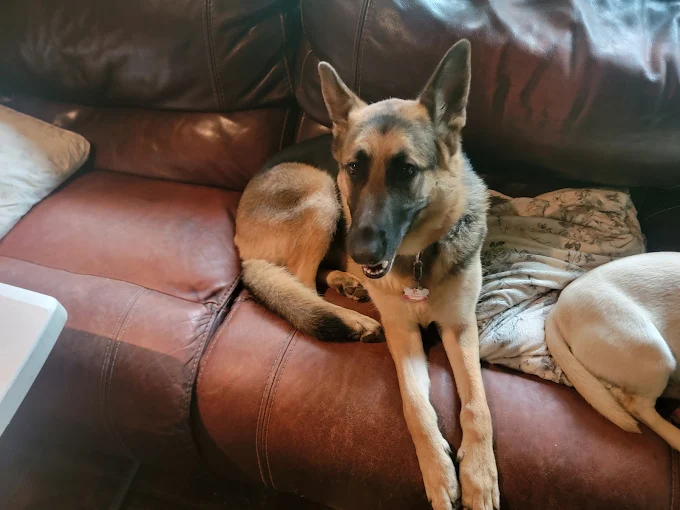
German Shepperd Watching TV

Yes, if it's the right type of video

Dogs don’t watch TV like humans do. They respond to sound, motion, and familiar shapes. Studies show that some dogs enjoy watching other canines, especially if the content matches their breed instincts. For example, herding dogs might react to movement more than toy breeds.

According to the American Kennel Club, using a screen with calming sounds or dog-friendly visuals can support your dog’s emotional well-being.

Always check with your vet if your dog has strong reactions to sounds or becomes distressed.t

10 Dog-Friendly YouTube Videos to Try

Here are 10 free YouTube videos from Doggy Woods Retreat’s channel that are perfect for dogs in Marysville, WA, or anywhere:

Perfect for: Older dogs, anxious pups, and calm breeds like Greyhounds or Cavaliers.

This peaceful walk through the woods, paired with gentle classical music, helps dogs feel safe and relaxed. It’s like a soft lullaby in video form. Whether your dog is resting after a walk or just needs a quiet moment while you’re gone, this is a calming background that makes home feel cozy and secure.

Perfect for: Dogs who enjoy routine but need a little seasonal cheer, including friendly Labs and Golden Retrievers.

With soft winter visuals and joyful Christmas music, this video brings a little magic indoors. Even outside the holidays, its peaceful pace and happy energy are grounding. It’s a lovely pick for dogs that respond well to familiar melodies and soft sounds.

Perfect for: Social dogs, high-energy breeds, and pups with separation anxiety.

This video is a warm hug for dogs missing their pack. It shows a full day of connection: group walks, naps, playtime, and helps dogs feel part of something even when home alone. It’s especially helpful for dogs used to daycare or frequent outings with other pups.

Perfect for: Curious or easily bored dogs like Beagles or terriers.

A little playful mischief, a little seasonal fun. The upbeat music and slightly spooky tone offer a fun mix of sights and sounds. Great for dogs that love new experiences and need a fresh vibe mid-week to keep their minds engaged.

Perfect for: Nervous or reactive dogs, and breeds that are easily overstimulated, like Shih Tzus or Chihuahuas.

Soft visuals and even softer music make this a go-to for winding down. It’s like a reset button for overstimulated dogs. Whether it’s after a busy day or during loud neighborhood noise, this video can gently bring your dog back to a place of peace.

Perfect for: Energetic breeds like Boxers, Aussies, or Huskies who love action but don’t need to be overstimulated.

This lively mix of rhythm and joyful dog play is perfect for dogs who perk up at music and movement. It adds just the right energy to a boring day without tipping into chaos. Great for midday enrichment when your dog seems restless.

Perfect for: Sound-sensitive pups or rescue dogs adjusting to a new home.

Designed with a gentle hand, this video has soft nature sounds and steady pacing. It’s ideal during thunderstorms, fireworks, or construction noise. For many dogs, it acts like a comfort blanket that reduces stress and keeps them grounded.

Perfect for: Young or playful dogs who miss being part of the action, like Border Collies or Shepherd mixes.

Shot from a dog’s eye view, this immersive video draws dogs in with real-life motion and sound. It’s especially comforting for pups used to social play, helping them feel connected and understood even when they’re flying solo.

Perfect for: Quiet observers and scent-driven breeds like hounds or senior dogs.

This one is all about subtle, sensory comfort. From sniffing sounds to soft footfalls on the forest floor, it’s a beautiful blend of visual and sound therapy. Great for nap time or just turning down the energy in the home without turning off engagement.

Perfect for: High-energy breeds, working dogs, or pups that thrive on social interaction.

This video is the highlight reel of dog joy: running, playing, exploring, and connecting. It’s an excellent option for dogs used to busy routines or who light up when they see others having fun. It’s pure, positive stimulation that feels like a virtual playdate.

How to Use These Videos

You don’t need anything special. Just play the video on a screen with sound and watch how your dog reacts. Tips:

  • Start with calm videos, especially for anxious dogs

  • Use the same video each day for routine

  • Play during meal prep or when leaving the house

  • Sit with your dog the first few times to see what they enjoy

Why Doggy Woods Retreat Cares About This

At Doggy Woods Retreat in Marysville, we know dogs need play, rest, and companionship. That’s why we started our YouTube channel. Every video is filmed with canines in mind, featuring real dogs, real nature, and sounds they actually respond to.

If you’re a pet parent looking to reduce your dog’s stress or add enrichment to their day, try one of our free videos.

Give your dog a screen experience made just for them. Watch now at DoggyWoodsDogTV on YouTube.

Let your dog enjoy a relaxing, dog-friendly video break right here in Marysville, WA.

FAQs About Dog TV in Marysville, WA

1. Can dogs really see what's on TV?

Yes. Modern TVs refresh fast enough for dogs to see moving images. Dogs respond more to motion than detail.

Yes. Dogs often feel less lonely with calming videos playing. It’s a useful tool, especially when paired with other support.

Yes. Breeds that rely on sight or herding instincts may react more to moving visuals.

Yes, if the content is quiet and your dog doesn’t become overstimulated. Choose videos made for dogs.

If your dog has a history of anxiety or sound reactivity, it’s a good idea to ask your vet.

That’s okay. Some dogs prefer sound over visuals. Try different videos to find one that fits your dog’s interests.

Categories
Blog

Why Dogs Like Watching Other Dogs on TV in Marysville, WA

Why Dogs Like Watching Other Dogs on TV in Marysville, WA

Many pet parents in Marysville, WA, have noticed their dogs staring at the television screen when another dog appears. This behavior often sparks curiosity: why do dogs like watching other dogs on TV?

Here’s everything you need to know about why dogs like watching other dogs on TV in Marysville, WA.

Dogs See Movement and Hear Sounds

Dogs are naturally tuned into auditory stimuli and motion. When they see dogs running, barking, or playing on the tv screen, it grabs their attention. Some experts believe this is because:

  • Dogs react to high-pitched or squeaky noises, like barking or toys

  • Their dichromatic vision helps them detect movement better than fine detail

  • Their eyes are drawn to types of stimuli that are lively or familiar

This reaction to the use of television is a mix of sight and sound working together.

Do Dogs Really Understand What They’re Watching?

This is a common question among pet parents seeing their pup glued to the screen. According to animal behaviour research:

  • Dogs likely don’t understand the type of content like we do

  • They do respond to motion, dog noises, and visuals of animals

  • Some even seem to have a favorite TV show or react differently to ball sports or animal content

Dr. Stanley Coren notes that modern screens, unlike older TVs, refresh at a higher rate, making it easier for dogs to track movement. It’s like giving them a dog eye chart equivalent, where they can finally “see the action.”

Why Some Dogs Love It More Than Others

Not every dog responds to TV the same way. That’s because a number of factors come into play:

  • Dog breeds with strong sight or sound sensitivity, like a German Shepherd, notice the screen faster

  • Breed traits, such as herding or guarding, affect how they respond

  • Older dogs may be calmer and observe more, while younger dogs may react playfully

  • Past exposure and routine can shape television viewing habits

Watching Dogs on TV Can Be Enriching

In recent years, more pet owners are using television as a welfare intervention to support their dog’s mental health. Here’s how it helps:

  • Reduces stress when home alone

  • Distracts from loud noises or weather noises outside

  • Breaks up boredom with inanimate object noises, human noises, or familiar barking

Dog Fetched a Stick

Can TV Help With Dog Separation Anxiety in Marysville?

Yes, and current studies support it.

Dogs in Marysville who struggle with being left alone might feel less anxious if the TV is on. Though not a cure, the use of television can support better behavior when paired with other tools.

Helpful tips:

  • Use shows with categories of stimuli, like nature or calm dialogue

  • Play videos with clear dog noises and a gentle body posture on screen

  • Try previous studies’ recommendations, like keeping the volume low

The American Kennel Club also says background noise can help reduce stress in dogs left alone at home.

Signs Your Dog Enjoys Watching TV

Not all dogs are couch potatoes, but many will enjoy short sessions. Watch for:

  • Tail wagging when animal content appears

  • Sitting calmly and following the movement on the screen

  • Barking, alert ears, or shifting body posture when a dog shows up

Dogs Watching TV

What to Watch Out For

TV isn’t for every dog. Some may become:

  • Too excited

  • Protective over the screen

  • Confused by inanimate objects that look real

In these cases, turn off the show and let them calm down.

Make TV Time a Positive Routine

If your dog enjoys it, you can help them get even more from it:

  1. Pick a regular time, like before dinner

  2. Use the same type of content to build a routine

  3. Give treats for calm watching

  4. Sit with them and talk about what they see

This builds a positive association and boosts your dog’s interest.

Try Doggy Woods Retreat's Own YouTube Channel

Did you know that Doggy Woods Retreat in Marysville has its own dog-friendly YouTube channel? It’s packed with animal content filmed right here in nature.

Watching dogs they could meet in real life is an easy way to:

  • Support dogs with television viewing habits

  • Reduce boredom

  • Offer calming sounds and motion

Check it out at DoggyWoodsTV on YouTube.

Why Doggy Woods Retreat Cares About This

At Doggy Woods Retreat in Marysville, we know that dogs are social, curious, and full of personality. That’s why we created a YouTube channel just for them, designed to keep dogs engaged, relaxed, and entertained whether you’re home or away.

Our free videos are filmed with real dogs in natural settings and include the kinds of sights and sounds that speak to a dog’s world. Whether it’s rustling leaves, playful barks, or gentle walks through forest trails, our content is made to match your dog’s unique way of seeing and hearing.

Looking to enrich your dog’s day? Visit our channel at DoggyWoodsDogTV on YouTube and let your pup enjoy a screen time that’s actually made for them.

FAQs About Dogs Watching Other Dogs on TV in Marysville

1. Can TV really help my dog with anxiety when I'm gone?

Yes. Many pet parents use it as part of a welfare intervention routine.

Shows with dog noises, slow motion, or animal behaviour footage work best.

No. Most dogs don’t watch constantly, but will enjoy short, familiar clips.

Yes, if it’s not too loud or overwhelming. Choose content like inanimate object noises, weather noises, or soft talking.

This may be due to loud noises or confusing categories of stimuli. Try turning it off and testing again later.

Yes! Current studies suggest that training videos with other dogs on screen can help.

Categories
Blog

Dog Home Alone – Tips to Keep Them Happy in Marysville, WA

Dog Home Alone – Tips to Keep Them Happy in Marysville, WA

Is Your Dog Spending Long Hours Alone? You’re Not Alone.

If your dog is stuck at home all day while you’re at work, bored, anxious, and maybe getting into a little mischief, you’re not the only one dealing with it.

Here in Marysville, a lot of families have busy days. Some of us commute to Everett or Seattle. Some work long shifts, others have packed calendars. And in the middle of all that? Our dogs are at home waiting… for hours.

That’s not easy for them.

Dogs aren’t meant to be alone all day. They’re social creatures. And without enough company, play, or mental activity, boredom sets in fast. Then come the chewed-up shoes, shredded pillows, barking fits, or accidents in the house. In fact, more than 80% of new dog owners say they worry about leaving their dogs alone, and 75% of those report negative behaviors like whining, pacing, or destruction when they do.

But here’s the good news, there are easy ways to make alone time better for your dog. With a few changes, you can help them feel more settled, more entertained, and way less stressed while you’re away.

Let’s break it down.

How Long Can Dogs Really Be Left Alone?

There’s no one-size-fits-all answer, but here’s the truth: most dogs don’t do well being alone for long periods of time, especially day after day.

Let’s talk about what’s realistic:

Puppies

They need bathroom breaks every couple of hours and can’t be expected to stay calm on their own for long. Most puppies start to struggle after 1–2 hours alone.

Adult Dogs

A healthy adult dog might be okay for 4–6 hours, but that doesn’t mean they enjoy it. After a while, boredom kicks in, and that’s when trouble starts.

Senior Dogs

Older pups may nap more, but they also might need more frequent potty breaks, meds, or just company. They get lonely, too.

It’s not just about the length of time you’re gone; it’s about what your dog is doing (or not doing) while you’re away.

A dog left alone with nothing to do will eventually create their own fun… and it might not be the kind of fun you were hoping for.

But don’t worry, there are simple ways to help them feel less alone. That’s what we’ll get into next.

The Hidden Risks of Long Alone Time

You leave for work. Your dog watches you go. Then… nothing.

No walks. No play. No sounds of the pack. Just silence.

For some dogs, that kind of quiet turns into stress fast. And that stress doesn’t always show up in obvious ways at least not at first.

Boredom Turns Into Behavior

Dogs left alone too long can start tearing things up, barking nonstop, or even pottying indoors. Not because they’re being naughty… but because they’ve run out of ways to cope.

Mental and Emotional Wear-Down

Long hours of nothing can make dogs feel depressed. Some stop eating. Some sleep too much. Others just stare out the window waiting for someone to come home.

Misread “Bad Behavior”

Things like accidents in the house or torn pillows are often seen as disobedience. But they’re actually signs of stress, not rebellion. The more we see them for what they are, the better we can help.

In a town like Marysville, where lots of folks work long hours or commute out of the area, it’s easy for dogs to fall into a lonely routine. But the good news? This isn’t a dead end.

There’s a lot you can do to turn those long, quiet days into something much better.

2 dogs on a couch

Simple Things You Can Do Before You Walk Out the Door

You don’t need fancy gear or a complete home makeover to make your dog’s alone time easier. A few small tweaks can go a long way toward turning boredom into calm.

Here are some things we recommend, things we use ourselves with dogs who stay with us:

Keep Their Brain Busy

Try a puzzle toy or a food toy like a frozen Kong stuffed with peanut butter or wet food. It gives your pup something fun (and tasty) to focus on for the first stretch after you leave.

Turn on Doggy Woods TV

Yep, seriously. We’ve heard from pet parents who keep our videos running all day. Dogs love watching other dogs roam, nap, and play in real-time. It gives them a sense of company. And for some? It’s the best part of the day.

🎬 Click here to try an episode

Create a Comfort Corner

Set up a quiet, cozy spot, maybe a crate with the door open, a dog bed by the window, or a nook in the hallway. Add a blanket that smells like you, a chew, and a favorite toy. Dogs love having a “safe zone.”

Leave a Scent Behind

Something as simple as a worn T-shirt or hoodie can do wonders. Your smell helps lower your dog’s stress while you’re out. It’s like you never fully left.

Rotate Toys and Chews

Keep things fresh by switching toys out every few days. You don’t need a huge collection just a little variety keeps their interest up.

Use Sound to Calm the Space

Soft music, a white noise machine, or even a fan can help drown out outside sounds that might stress your dog out (like loud cars or neighbor dogs barking).

No one tool works for every dog, but the more “comfort layers” you give them, the more settled they’ll feel. And hey, if one trick doesn’t help? Try another. Dogs are individuals, just like us.

Why Doggy TV Works for Dogs at Home

You’ve probably heard of playing soft music or leaving the TV on for your dog. But not all screen time is created equal.

Doggy Woods TV was made with dogs in mind, not just their humans.

Real Dogs. Real Calm.

Our videos show actual pack life at our retreat, dogs playing, walking the trails, snoozing on couches, splashing in the pond. Nothing loud. Nothing staged. Just dogs doing dog stuff in a calm, peaceful setting.

Engaging Without Overloading

Dogs love watching movement and hearing familiar sounds. The slow pace, soft background noise, and natural pack energy help relax them without making them feel overwhelmed.

Built for Comfort, Not Clicks

These videos aren’t made to go viral. They’re made to help. We’ve had people tell us their dogs watch every day, and that the sound of Josh’s voice or the rustling trees keeps their pups calm while they’re out.

As one viewer said:
“I keep it on one of my TVs for Max at all times.”

If your dog feels more relaxed with other dogs on screen, give it a try. Just press play, and let them feel part of the pack even when they’re home alone.

🎬 Watch Doggy Woods TV here

For Dogs Who Need More Than a Screen

Not every dog is built for long hours alone, and that’s okay.

Some pups need more than a frozen Kong or a cozy crate. They need to move. They need to sniff. They need other dogs. In short, they need the pack.

That’s where Doggy Woods Retreat comes in.

A Different Kind of Doggie Daycare

We’re not your typical kennel. There are no rows of crates, no small gravel runs. Instead, we offer dogs what they really crave:

  • 10 fully fenced acres of freedom

  • Forest trails to explore

  • A big pond to splash in

  • Logs, sand piles, and open fields

  • Indoor chill time on couches, not concrete

Calm Energy, All Day

Every dog at Doggy Woods joins the pack. They’re off-leash, social, and part of a peaceful daily rhythm: play, rest, walk, nap, repeat. For pups used to being stuck inside alone, it’s a total reset.

Local to Marysville

We’re right here in Tulalip, just minutes from Marysville. So if you’re nearby and your dog needs more than a TV screen, we’d love to meet them.

Because sometimes, the best way to fix alone-time stress… is to not be alone at all.

Understanding What’s Really Going On

If your dog chews up the couch, pees in the hallway, or barks until your neighbor texts you… It’s easy to feel frustrated. But what looks like “bad behavior” is usually something else.

  • It’s stress.
  • It’s boredom.
  • It’s loneliness.

It’s Not Spite

Your dog isn’t mad at you for leaving. They’re not trying to get revenge. They’re overwhelmed and they don’t know how to deal with it yet.

Your Dog’s Behavior Is Speaking

When dogs dig, shred, bark, or hide while home alone, they’re sending a message:
“I don’t know how to be by myself yet.”

That’s not something to punish. It’s something to help with.

You’re Not a Bad Pet Parent

Really. Life gets busy. Work happens. Dogs being left home alone is part of modern life especially in places like Marysville where folks are often out for hours.

You’re doing your best. And the fact that you’re reading this? That means you care.

We’re here to help, not just with advice, but with real support if you need it.

Understanding What’s Really Going On

Being home alone doesn’t have to be so hard on your dog, or on you.

Whether your pup just needs a little more mental stimulation, or they’re showing signs of stress and boredom, there are ways to help. Sometimes it’s a food toy and a calm video. Other times, it’s pack time, a safe space, and a reset from the routine.

At Doggy Woods Retreat, we’re just outside Marysville, and we’ve helped all kinds of dogs feel less alone.
Some visit for daycare.
Some just watch our videos.
Some stay with us for a few days and leave feeling more balanced than they came in.

No pressure. No judgment. Just real people who live with dogs and get it.

Let’s Chat

We’re in Tulalip, minutes from Marysville
Call or Text: 360-797-5990
Watch Doggy Woods TV: Click here to view the channel
Still have questions? We’d love to help.

FAQs: Leaving Your Dog Home Alone in Marysville, WA

1. How long can I safely leave my dog home alone?

Most adult dogs can handle being alone for about 4 to 6 hours. Puppies, seniors, or dogs with anxiety usually need shorter stretches. If you’re regularly gone longer than that, try adding enrichment, check-ins, or consider daycare for balance.

Use puzzle toys, frozen Kongs, rotating chews, and calming videos like Doggy Woods TV. You can also leave on soft music or use a fan to block outside noise. Mental stimulation is key; a bored dog gets creative fast.

Crates can be helpful, but all-day crating isn’t ideal. Dogs need room to stretch, a long walk, and to move around. If you do use a crate, pair it with short durations, breaks, and positive crate training so it feels like a safe spot, not punishment.

Look for chewing, barking, howling, pacing, potty accidents, or changes in appetite. These are signs of stress, not disobedience. If your dog struggles daily, it’s time to try something new.

Yes, many dogs respond to visual and audio cues, especially when other calm dogs are involved. That’s why Doggy Woods TV works so well. It brings the feel of the pack into your home and helps reduce loneliness and anxiety.

Daycare can help dogs build confidence, burn off energy, and stay social. While it’s not a “magic fix,” being around calm dogs in a safe environment (like our off-leash 10-acre retreat) can support more balance at home.

Both have their place. A dog walker offers one-on-one attention and a potty break. Daycare adds pack time, play, and longer activity windows. If your dog needs more than a short walk, daycare is often the better fit.

You’re not alone in feeling that way. Life gets busy, but dogs don’t need perfect; they just need connection. Try layering in comfort (toys, scents, calm TV), then look at outside support if needed. We’re here to help, no judgment.

If it’s their first time, your dog might feel unsure or anxious. Some show destructive behavior like chewing or barking. A tired dog tends to stay calmer, so a good walk before you leave can help. Add a puzzle toy or play Doggy Woods TV to keep them company while you’re gone.

Categories
Blog

Experts Tips to Help a Dog With Separation Anxiety

Experts Tips to Help a Dog With Separation Anxiety

When Your Dog Can’t Handle You Leaving…

If your dog starts whining the moment you reach for your keys… or barks nonstop as you back out of the driveway… you’re not alone. A whole lot of dogs in Marysville go through the same thing.

It’s called separation anxiety. And it’s not just about missing you. For some pups, being home alone is downright scary. It can lead to stress, unwanted behavior, and a whole lot of guilt on your part. We get it. We’ve seen it up close and we’ve lived it.

Here at Doggy Woods Retreat, we work with dogs every day who’ve struggled to feel calm when their people leave. And over time, we’ve learned a few things that can really help.

So if your pup is pacing, chewing, howling, or having accidents when you’re gone, take a breath. There are small, simple steps you can try that can make life easier for both of you.

Let’s walk through it together.

Sad-Dog-on-the -Ground

What Separation Anxiety Really Looks Like

Not every dog likes being alone. But for some, it’s more than that. It’s panic.

Separation anxiety shows up in different ways. Some pet dogs cry or bark the moment you’re out of sight. Others pace for hours, destroy furniture, or try to escape. A few just shut down; they won’t eat, won’t drink, and wait by the door all day.

Here are some common signs of separation anxiety we see:

  • Restlessness or pacing when you’re gone

  • Barking, whining, or howling

  • Accidents in the house (even if they’re usually trained)

  • Chewing up doors, crates, couches, or their own bedding

  • Scratching at doors or trying to break out of windows or crates

  • Ignoring food or treats while alone

It’s not about being “bad.” These dogs aren’t acting out. They’re just scared. And often, they can’t calm down without help.

The good news? With a little patience, some easy changes, and the right kind of support, things can get better.

Why So Many Marysville Dogs Struggle With It

If you’re in Marysville and your dog has a hard time when you leave, you’re not alone. It’s more common around here than folks realize, and there are a few reasons why.

Busy Lives, Long Days

A lot of pet parents in the area work full-time or commute to Everett or Seattle. That means more time away from home… and more alone time for your pup.

The “Post-Pandemic” Shift

Many dogs got used to having their people around 24/7 during lockdowns. Now that life’s gone back to normal, they’re not sure how to handle the quiet.

A Lot of Rescue Dogs

Marysville and nearby towns have a strong rescue community (which is awesome). But dogs coming from shelters or rough starts often miss out on learning how to be alone in a calm, safe way.

They Crave Space and Connection

Not every pup thrives in a backyard or apartment. Some need room to move, sniff, and feel part of a group. Dogs are social animals; pack time matters.

That’s one of the reasons Doggy Woods Retreat was born. We’re just a short drive from Marysville, but for dogs? It’s like stepping into a whole new world. And for anxious pups… that change can be life-changing.

How to Ease Separation Anxiety in my dog

Expert Tips to Help Ease Separation Anxiety

Start Small with Alone Time

Practice leaving for just a few minutes, then build up slowly. Keep departures and arrivals calm and casual, no big drawn-out goodbyes.

Keep Them Busy

Leave behind puzzle feeders, long-lasting chews, or treat-dispensing toys. Even Doggy Woods TV (our YouTube channel) can help pups feel less alone.

Exercise First

A tired dog is a calmer dog. A morning walk or play session can burn off nervous energy before you head out.

Create a Safe Spot

Some dogs settle better in a cozy crate or a quiet room with a blanket and water. Adding a worn T-shirt with your scent can also help.

Reward Calmness

Notice and reward your pup when they relax instead of fussing. Training “settle” or “place” can go a long way in building confidence.

Call the Vet if Needed

If your dog’s anxiety is extreme, nonstop barking, hurting themselves, or severe anxiety, talk to your vet. They may recommend supplements, medication, or a behaviorist.

How Doggy TV Can Help

You’ve probably heard of calming music or background noise for dogs. But what about letting them see the pack?

That’s where Doggy Woods TV comes in. It’s our YouTube channel filled with real footage from our 10-acre retreat, off-leash pack walks, pond swims, forest zoomies, and plenty of nap time on couches.

It’s not loud or overstimulating. No dramatic music, no high-speed editing. Just real dogs doing real dog things.

Here’s how it helps anxious pups at home:

It gives them a sense of company
Watching other dogs relax and explore can help them feel less alone.

It provides mental stimulation
The sounds, sights, and movement give their brain something to focus on (other than the door).

It encourages calm behavior
When your dog sees other dogs staying grounded and chill, they often mirror that energy.

We’ve had people tell us they leave Doggy Woods TV on all day, and their pups love it. One of our viewers even said, “I keep it on one of my TVs for Max at all times.” That’s exactly what it’s for.

Want to try it out? Click here to watch an episode with your pup.

Pack Time at Doggy Woods Retreat

Some dogs just need more than toys and treats. They need space. They need other dogs. They need the pack.

At Doggy Woods Retreat, we see anxious dogs settle down all the time, not through training, but just by being here. Once they’re in the rhythm of pack life, things start to change.

10 Acres to Run, Roam, and Just Be a Dog

Our retreat in Tulalip (just minutes from Marysville) is fully fenced and fully off-leash. Dogs explore forest trails, splash in the pond, dig in the sand pile, and nap in the sun, all as part of a safe, stable group.

Home-Based, Not Kennel-Based

There are no rows of cages here. No small yards. Dogs stay inside our home when they’re not outside exploring. They sleep on couches, chill on rugs, and rest in whatever spot feels good to them.

Calm Energy is Contagious

When a nervous dog joins a group of calm, happy pups, something shifts. They stop pacing. They stop panicking. They start watching. Then they join in.

We’ve seen dogs go from anxious and unsure… to peaceful and snoozing with the pack by the second day.

So if you’re near Marysville and your dog needs more than a quick walk around the block, pack life might be exactly what they’re missing.

Let’s Help Your Dog Feel Safe Again

If your pup struggles every time you grab your keys, you’re not alone and you’re not stuck.

Separation anxiety is tough, but it doesn’t mean something’s broken. It just means your dog needs a little help feeling okay when you’re not there.

Here at Doggy Woods Retreat, we’ve worked with tons of dogs from Marysville and beyond. Some just needed a calm place to reset. Others found comfort watching the pack from home. And a few? They just needed a chance to be part of something bigger than their own four walls.

So, what’s next?

  • Want to try Doggy TV? Watch a video with your pup.

  • Curious about daycare or boarding? Text or call us at 360-797-5990. We’re happy to talk it through.

  • Just need some advice? Reach out. No pressure. Just real talk from dog people who care.

We’re based in Tulalip just a quick drive from Marysville. And our pack’s always got room for one more.

Frequently Asked Questions – Dog Separation Anxiety

1. What are the symptoms of separation anxiety in dogs?

Common symptoms of separation anxiety include pacing, barking, whining, drooling, and destructive behavior like chewing furniture or scratching at doors. Some dogs even have accidents indoors. If your pup shows these signs of distress every time you leave, they may be struggling with canine separation anxiety.

Sometimes what looks like a behavior problem is actually health-related. For example, house soiling could point to a urinary tract infection or other medical problems. If you’re seeing sudden changes in your dog’s behavior, it’s best to rule out a medical condition with your vet before starting any kind of behavior modification.

Separation anxiety can affect both male dogs and female dogs, but it’s not tied to gender as much as personality, life experience, or changes in routine. Rescue dogs, dogs from shelters, or those with a history of trauma may be more likely to show signs of anxiety, no matter their sex.

Start simple. Try crate training if your dog finds comfort in enclosed spaces. Use a puzzle toy or food toy filled with something tasty to distract them when you leave. Pair it with a special treat they only get during those times. These small steps can help lower the amount of time they feel stressed and build trust.

Yes, a dog sitter can be a huge help, especially if your pup isn’t ready to be home alone yet. Having someone stay with them, even for short periods, can reduce their signs of anxiety while you work on a longer-term treatment plan.

If your pup seems calm when you’re home but shows behavioral problems when left alone like barking, tearing up the house, or having accidents, that’s often a clear sign of separation anxiety. They’re not being bad. Their stress just builds up when you’re not there to comfort them.

Departure cues are the little things you do before leaving, grabbing keys, putting on shoes, or picking up your bag. Dogs are smart. They learn to connect those actions with you being gone. In severe cases, just seeing your shoes can trigger signs of distress. The goal is to help them stay calm during these moments through training and slow exposure.

Yes. Destructive behavior and house soiling are two of the most common red flags. It’s not disobedience, it’s panic. Your dog may feel like they’re losing a family member every time you walk out the door. Once you understand what’s really going on, it’s easier to respond with patience and the right support.

In some severe cases, vets might recommend short-term medication to support your dog during separation anxiety treatment. It’s usually paired with behavior work and monitored closely to avoid side effects. Always talk to your vet before trying anything new, every dog is different.

Start with the basics: structure, routine, positive associations with being alone, and gentle behavior modification. Add in things like crate training, calming visuals (like Doggy Woods TV), and daily enrichment. If needed, talk to a vet or trainer about a full treatment plan based on your dog’s age, history, and amount of time they spend alone.